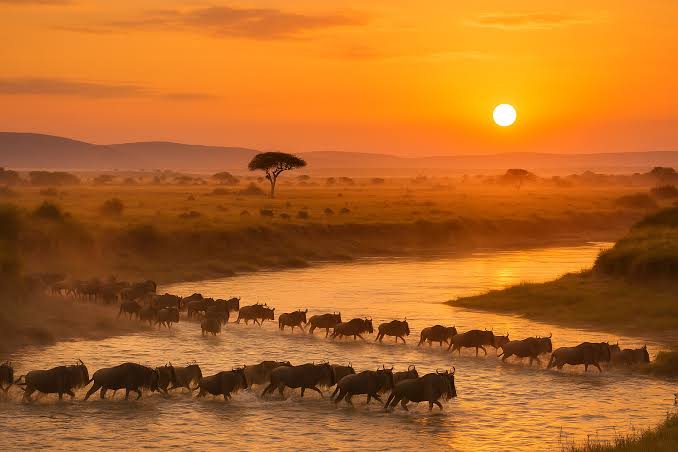


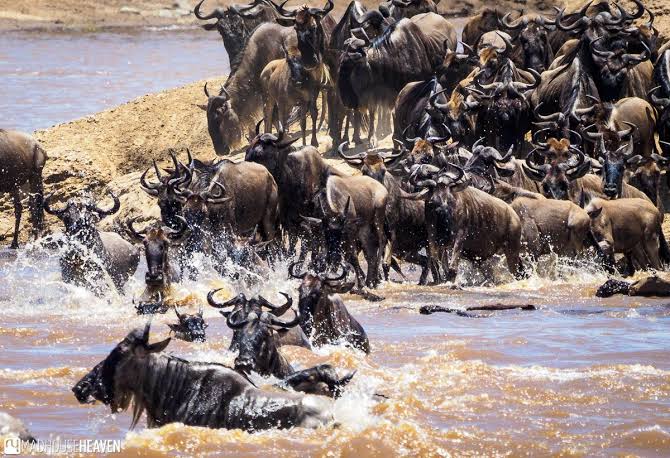
Widely celebrated as the greatest wildlife spectacle on Earth, the Great Wildebeest Migration is a breathtaking natural phenomenon that draws travelers, wildlife photographers, and nature enthusiasts from across the globe. Every year, over 1.5 million wildebeest, accompanied by hundreds of thousands of zebras and Thomson’s gazelles, embark on a grueling 1,800-mile circular trek across the Serengeti-Mara ecosystem in search of fresh grazing lands and water.
If you are planning an African adventure, timing your trip to witness the legendary Mara River crossings in Kenya’s premier reserve is the ultimate bucket-list experience. This comprehensive guide breaks down everything you need to know to plan a flawless migration safari.
Table of Contents
The Migration Timeline: Month-by-Month Breakdown
The migration is driven primarily by weather and rainfall patterns, meaning exact dates shift slightly every year. However, tracking their general seasonal movement helps pinpoint when to visit:
- January to March (The Calving Season): The herds gather in the southern Serengeti (Tanzania), where roughly 800,000 calves are born within a synchronized 2-to-3-week window, attracting heavy predator action from lions, cheetahs, and hyenas.
- April to June (The Rut & Movement North): Long rains trigger movement northward through the Western Corridor and Grumeti River region, where massive crocodiles await.
- July to October (Peak Maasai Mara Season): The mega-herds cross the international border into Kenya’s Maasai Mara National Reserve. This is the prime window to witness heart-stopping river crossings.
- November to December (The Return South): Short rains spark new green grass growth in the south, prompting the herds to re-enter Tanzania and complete the cycle.
The Drama of the Mara River Crossings
For most travelers, the highlight of a Kenya migration safari is watching the herds navigate the treacherous waters of the Mara River. The scene is pure raw nature: thousands of wildebeest mill nervously along steep embankments, hesitant to take the plunge.
Suddenly, a brave individual leaps down the muddy bank, triggering a chaotic cascade. Below the surface, massive Nile crocodiles lie in wait, while lions and leopards patrol the exit banks. It is an intense, chaotic, and unforgettable display of survival instincts.
Where to Stay: Conservancies vs. Public Reserve
When booking your accommodation through a tour operator, you will generally choose between staying inside the main Maasai Mara National Reserve or within the private surrounding conservancies (such as Mara North, Olare Orok, or Naboisho).
- Maasai Mara Reserve: Perfect for front-row access to the Mara River crossing points. Expect busier sighting areas during peak migration months.
- Private Conservancies: Offer exclusive luxury tented camps, lower vehicle density, night game drives, guided bush walks, and exciting off-road tracking capabilities that public reserves prohibit.
Expert Tips for Booking Your Migration Safari
- Book 9 to 12 Months in Advance: Prime riverfront camps and conservancies sell out nearly a year ahead due to global demand.
- Add a Hot Air Balloon Safari: Drifting silently over the Mara at sunrise gives you an unmatched aerial perspective of endless herds stretching across the horizon.
- Prepare for Temperature Swings: Mornings in the high-altitude savannah are chilly, so pack layers before warming up under the afternoon sun.
Ready to witness the Great Migration live this year?
Let our expert safari coordinators craft a customized, stress-free itinerary tailored precisely to your travel dates, group size, and budget.
Get a Free Custom Safari Quote →